
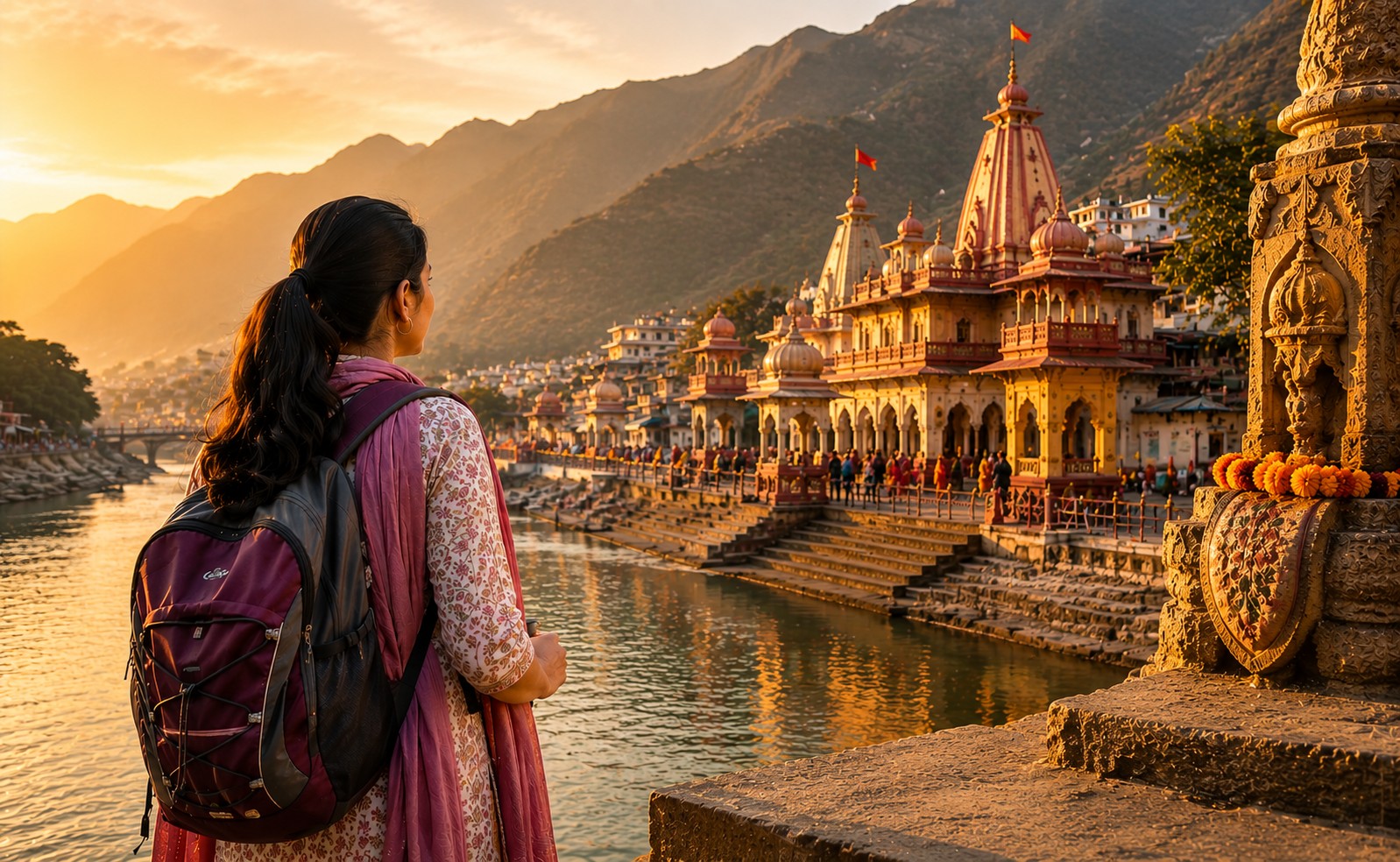
Unlike a regular vacation, a pilgrimage offers an opportunity to pause, reflect, and reconnect with your faith, culture, and personal beliefs. Whether you are planning to visit an ancient mountain temple, the sacred rivers that attract millions of devotees, or historic shrines that have welcomed pilgrims for centuries, every journey carries its own meaning.
For women travelers, a pilgrimage often demands a little more planning than a regular vacation. Small decisions like choosing appropriate clothes and staying safe in crowded places have a huge impact on your overall experience.
This blog post shares practical pilgrimage tips designed for women travelers to help you travel with confidence while respecting local traditions and prioritizing your comfort. No matter whether you’re traveling alone, with family, or in a group, the following suggestions will help you focus less on logistics and more on the spiritual purpose of your pilgrimage.
Unlike a typical trip, pilgrimages generally involve long walks, long queues, large crowds, changing weather conditions, and visits to places with specific religious or cultural customs. Several sacred destinations also have restricted entry areas, dress codes, or rituals that every visitor is expected to follow.
A little preparation can make the experience much smoother. Preparing in advance helps you:
Rather than worrying about whether you’re dressed appropriately or what you’ve forgotten, you’ll be able to stay present and enjoy the experience.
Every pilgrimage destination is different, making research one of the most valuable parts of your preparation. One of the most meaningful pilgrimage tips for female travelers is to know where you’re going before you arrive.
Most pilgrimage sites have their own customs, expectations, and practical considerations. Spending a little time researching beforehand can save you from confusion later.
Before your trip, check the following:
The weather can affect almost every part of your pilgrimage. Monsoon rains, cold mountains, or high temperatures all demand different clothing and gear. Checking the weather forecast before your trip helps you pack your belongings accordingly.
Some religious sites require visitors to remove their shoes or avoid wearing leather items. Others may ask everyone to cover their shoulders, knees, or head before entering the premises.
Packing suitable clothing in advance saves last-minute shopping and helps you show respect for the local traditions.
Knowing basic customs can make your visit smoother.
For example:
Understanding the local customs and etiquette shows respect for both the place and the community that welcomes you.
Several pilgrimage destinations are located in remote or isolated areas; their routes may include uneven pathways, steep staircases, or long walking distances.
Understanding the physical demands beforehand helps you to prepare with suitable footwear and realistic expectations.
Many pilgrimage sites are located in isolated areas where mobile reception may be weak or unavailable.
Before you travel:
Preparing in advance ensures you’re not completely dependent on mobile coverage.
Many pilgrimage sites have their own dress expectations to preserve the sanctity of the place. While the guidelines may vary from one destination to another, clothing modestly is often expected and appreciated.
Before starting your trip, check if your destination has any particular clothing requirements. Most places require visitors to cover their heads, shoulders, or knees, while others may ask to remove footwear before entering the premises.
Wearing the right clothing is not just about respecting local customs; it also helps you remain comfortable the whole day. Breathable, loose-fitting fabrics are ideal for long hours of walking, changing weather conditions, and standing in queues, while maintaining a modest look.
Some good options include:
A lightweight shawl or scarf is one of the most useful items to carry. It serves multiple purposes, such as covering your head or shoulders and providing extra warmth during cooler mornings or evenings, or offering protection from the sun in the afternoon.
It’s equally important to avoid tight, overly revealing clothing, as it may not align with local customs and can become uncomfortable during long walks.
Simple, practical clothing allows you to move freely, remain respectful, and concentrate on the purpose of your pilgrimage experience.
Safety remains an important aspect of every trip, but it shouldn’t overshadow the purpose of your visit. The goal isn’t to be overly cautious. Rather, it’s about staying attentive to your surroundings, making informed decisions, and taking basic precautions so you can travel with confidence and peace of mind.
Many pilgrimage sites are welcoming destinations where local authorities, volunteers, and fellow devotees are happy to help visitors. Still, unfamiliar surroundings, large crowds, and busy travel schedules need a little more awareness. By staying mindful, you can calmly manage unexpected situations, keeping your focus on the spiritual and personal significance of your trip.
When you’re traveling, it’s natural to worry about your belongings, such as your wallet, luggage, phone, or even your travel itinerary.
Instead, remember this basic order of priorities:
Most belongings can eventually be replaced, but your safety and well-being cannot. Keeping this viewpoint in mind can help you remain calm and composed, make better decisions, and respond appropriately if an unpredictable situation arises.
When people think about travel safety, they generally imagine worst-case scenarios.
In reality, common challenges during a pilgrimage are much simpler. These include:
Focusing on these everyday risks often does more to safeguard your health than worrying about unlikely scenarios.
Stay hydrated, wear supportive footwear, take regular breaks, and slow down your pace when needed.
Several famous pilgrimage sites welcome thousands or even millions of devotees every year. Crowded environments require extra awareness.
These simple habits can help keep you safe:
Awareness doesn’t mean becoming anxious. It simply means paying attention to your surroundings while enjoying the experience.
If you’re exploring a new destination as a solo female traveler, choose a busy, well-populated area whenever possible.
Stick to well-traveled routes, especially around temples, shrines, markets, and transportation hubs.
Politely decline if someone you’ve just met invites you to a private location or suggests an unfamiliar shortcut.
Staying in busy, crowded areas simply reduces unnecessary risks.
One of the safest tools you have is your instincts.
If a situation feels uncomfortable, don’t ignore that feeling simply because you don’t want to seem impolite.
You can always:
Packing for a pilgrimage is about finding the right balance. Heavy luggage can make long walks and transfers between places exhausting, while carrying too little may leave you unprepared for changing conditions.
Make a list of essentials that improve your comfort, safety, and convenience instead of filling your bag with unnecessary items.
A practical packing checklist may include:
Organizing your belongings into separate pouches makes it easier to find what you need without unpacking the whole bag.
If you’re traveling with family or friends, the people you travel with can greatly influence your entire experience.
Choose a travel companion who respects your pace, shares the objective, and supports you throughout the trip.
Before setting out each day, agree on meeting points in case anyone gets separated. Clear communication can help you avoid unwanted confusion, especially at crowded pilgrimage destinations.
Traveling solo can add a new dimension to your travels. It gives you the freedom to move or explore at your own pace, reflect without distractions, and immerse yourself in the spiritual experience.
If you are traveling alone, share your travel details with a trusted family member or friend, including your accommodation details, expected arrival times, and transportation plans, so someone knows where you will be.
Whenever possible, avoid evening travel and arrive at the new location during daylight. Use registered transportation services if evening travel cannot be avoided.
For women traveling solo, an extra layer of precautions can add extra peace of mind. Stay in well-reviewed accommodations located in populated areas and avoid sharing your detailed travel plan with strangers.
Walking confidently, staying mindful of your surroundings, and seeking assistance from local authorities when needed can help you navigate unfamiliar destinations more easily and comfortably.
Yes. Several women undertake solo pilgrimages every year. Effective planning, choosing safe accommodation, staying connected with family, and remaining mindful of your surroundings can help you make the experience both rewarding and safe.
Most pilgrimages have their own dress code to preserve the sanctity of the place. Women are generally expected to wear modest, comfortable clothing rather than overly revealing clothing. Loose-fitting, breathable fabrics are suitable for most pilgrimage destinations. A scarf or shawl is also useful, as certain religious places require visitors to cover their heads or shoulders.
Items include government IDs or a passport, personal medications, a basic first-aid kit, a reusable water bottle, a pair of suitable walking shoes, a power bank, sunscreen, weather-appropriate clothing, a rain jacket or umbrella, healthy snacks, and a flashlight.
Avoid displaying valuables, keep your essentials protected, remain aware of your surroundings, follow instructions from local authorities, do not share your travel plan with a stranger, and remain patient and considerate in crowded places. Sharing your travel details with a trusted person also adds an extra layer of security.
A meaningful pilgrimage is not measured by the number of religious places you visit or how quickly you complete the journey. Rather, it is shaped by the moments of reflection, the sense of peace you carry in return, and the connections you make.
Good preparation, respect for local customs, awareness of your surroundings, and attention to personal safety let you focus on the true purpose of your pilgrimage instead of its challenges.
These pilgrimage tips for women visitors are designed to ensure you travel with confidence, comfort, and peace of mind. Wherever your next pilgrimage takes you, may it leave you with lifelong memories, deeper connections, and most importantly, a fresh sense of purpose.